News & Insights

Why the Most Important Part of Any Building Is the Part Nobody Sees
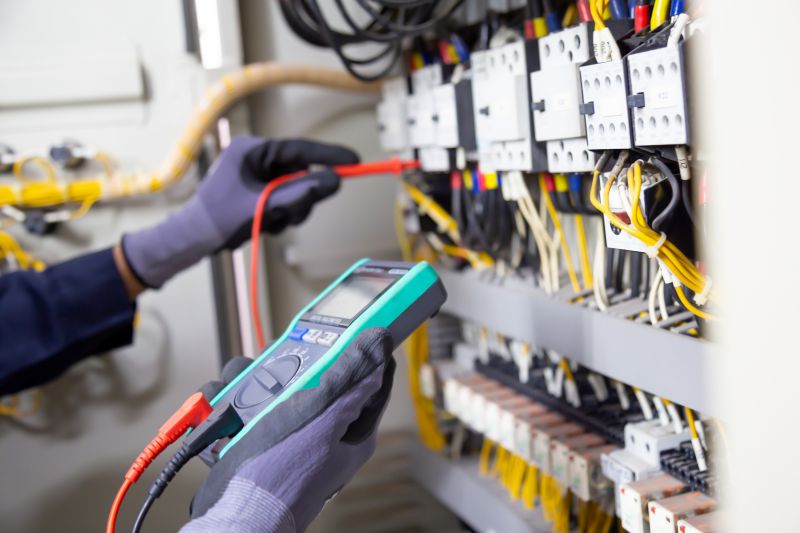
Ask most people what makes a great building and they'll point to the architecture — the glass curtain wall, the lobby atrium, the roofline. Nobody ever walks into a hospital and says "wow, that BAS sequencing is really something." But here's the thing: the systems hidden inside the walls, above the ceiling tiles, and buried in electrical rooms are what actually determine whether a building performs the way it was designed to. A beautiful research lab with a poorly commissioned HVAC system is just an expensive room. Mechanical, electrical, and plumbing systems touch virtually every function of a modern building — air quality, temperature, safety, energy consumption, uptime — and when they're engineered and commissioned correctly, they become genuinely invisible in the best possible way. You only notice them when something goes wrong.
There's a similar dynamic playing out at a much larger scale in the energy sector right now. The conversation around renewable energy tends to focus on the panels and the turbines — the visible, photogenic hardware sitting on thousands of acres of land. What gets less attention is the control infrastructure that makes a solar farm or a wind project actually behave like a power plant: the SCADA systems, the power plant controllers, the IT/OT network architecture that connects a field in Wyoming or Florida to a grid operator's control room hundreds of miles away. Getting that layer right isn't glamorous work, but it is the difference between a project that achieves its generation targets and one that doesn't. The engineering challenge of integrating dozens of independent subsystems into a single, reliable, grid-compliant facility is genuinely hard, and it's work that tends to be underestimated right up until something underperforms at scale.
None of this is meant to be a complaint — if anything, it's an argument for why engineering firms that do this kind of behind-the-scenes work tend to develop deep, long-running client relationships. When you find a team that genuinely understands both the design side and the field side, that can read a set of sequences of operation and also climb into an electrical room and verify what's actually happening, that's not something you swap out project to project. The Charlotte-based engineering world is smaller than people think, and the firms doing meaningful work on everything from university research buildings to utility-scale solar are often the same ones you see showing up on project after project for the same clients. That kind of repeat engagement is usually a signal worth paying attention to.